PetFriendly.ca Home »
Pet Travel Tips »
Traveling with a Senior Pet
Traveling with a Senior Pet
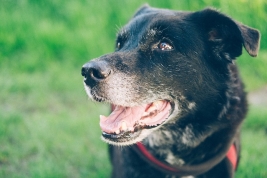 Many "senior" pets continue to happily accompany
their people on their travels - but senior pets have special
needs, and that translates into special considerations when
going on holidays with their humans:
Many "senior" pets continue to happily accompany
their people on their travels - but senior pets have special
needs, and that translates into special considerations when
going on holidays with their humans:
Is your pet physically fit for travel?
Your vet
can advise you best.
Does your pet want to travel?
Some pets
lose the desire to travel as they get older, preferring
instead to nap quietly on a warm, comfortable bed. A
responsible and trusted pet-sitter is a good option -
preferably one that your pet knows and loves.
Don't force your pet to travel if he genuinely doesn't
enjoy it. He can happily greet you upon your return.
Be aware of your pet's physical limitations,
if any.
For instance, steep steps or slippery floors at
your chosen accommodation may prove to be a challenge
for pets with mobility problems. If you enjoy hiking
with your dog, add some time for extra breaks - and
don't try to have your pooch do more than he can
comfortably handle.
Your dog may need more frequent breaks
to
relieve himself and stretch out.
Bring supplies to keep your senior pet
comfortable,
such as warm bedding and any medications
your senior pet may require while traveling.
Maintain a routine
to keep stress to a minimum.
For example, walk your dog at the same time you normally
would, and bring along a supply of the same food (and
even water) that your pet is accustomed to getting at
home.
Take into account any behavioral changes.
Pets
that are starting to lose their sight or hearing may
become confused in new places. Keep them close, speak or
touch them often, and be sure they're wearing
appropriate identification.
Some senior pets may prefer quieter activities (such
as relaxing by the water, instead of a strenous hike
up a mountain)... and may even prefer a quieter
location (a secluded cabin rather than a busy resort).
Pets are wonderful companions, regardless of their age.
Provided that your older pet is fit for travel and enjoys it,
then there's no reason why he can't continue to vacation
with you.